By
By 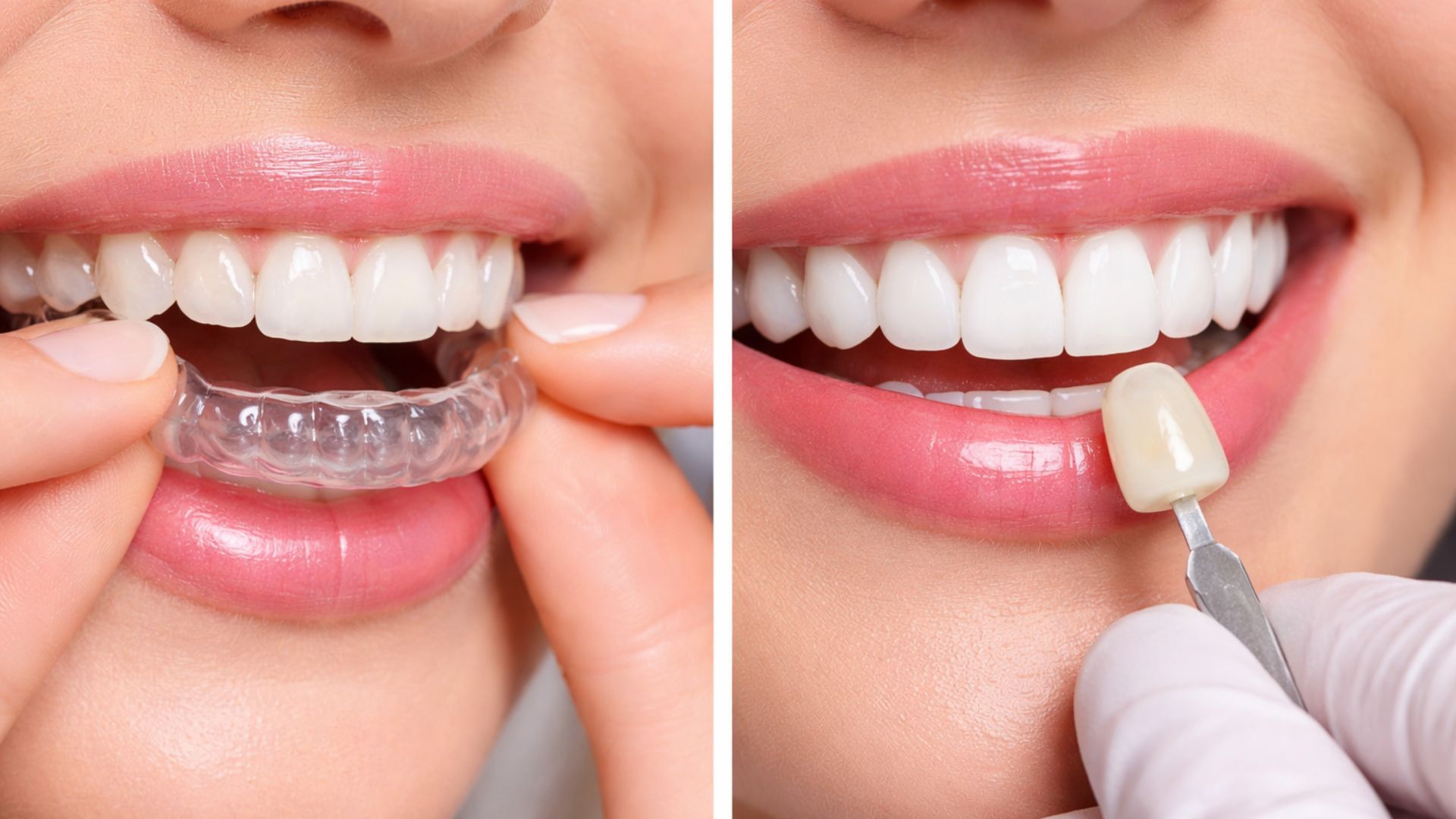
Understanding the Critical Relationship Between Aligner Design and Gum Health
The advent of clear aligner therapy such as Invisalign Bournemouth has revolutionised orthodontic treatment, offering patients a discreet alternative to traditional braces. However, the success of these appliances extends beyond aesthetic considerations and tooth movement mechanics. One often overlooked aspect of aligner therapy concerns the precise positioning of the aligner edge—the trimline—and its profound impact on the surrounding gingival tissues. This relationship between aligner design and periodontal health represents a crucial consideration for both practitioners and patients embarking on orthodontic treatment.
The trimline of an aligner refers to where the plastic material terminates in relation to the gingival margin. This seemingly minor detail carries significant implications for the health and response of the soft tissues that support our teeth. When practitioners select an appropriate trimline position, they can minimise inflammation, reduce patient discomfort, and promote optimal periodontal conditions throughout the treatment process. Conversely, poorly designed trimlines may contribute to gingival irritation, plaque accumulation, and compromised tissue health.
The Three Primary Trimline Configurations
Orthodontic professionals typically work with three distinct trimline options when fabricating clear aligners. Each configuration presents unique advantages and potential challenges for gingival health and patient comfort.
Scalloped Trimlines
Scalloped trimlines follow the natural contours of the gingival margin, creating an undulating edge that mirrors the architecture of the gum tissue. This design attempts to maintain a harmonious relationship with the soft tissues whilst providing adequate retention for effective tooth movement. Research examining gingival health during orthodontic treatment has explored how different aligner designs affect periodontal parameters, offering valuable insights into optimal trimline selection.
Straight Trimlines
Straight trimlines present a more uniform edge that typically sits at a consistent distance from the gingival margin across all teeth. This approach simplifies the manufacturing process and may offer advantages in terms of predictable tissue response. Many patients seeking Invisalign treatments will encounter aligners featuring this design, particularly in contemporary aligner systems that prioritise ease of fabrication alongside clinical effectiveness.
Gingival Margin Trimlines
Gingival margin trimlines terminate precisely at the gum line, creating minimal extension beyond the clinical crown. This conservative approach reduces the surface area of aligner material in contact with soft tissues, potentially decreasing the risk of mechanical irritation. However, this design requires exceptional precision during fabrication to avoid impingement on the gingival sulcus or inadequate retention of the appliance.
Clinical Implications for Periodontal Health
The position of the aligner trimline directly influences several key factors affecting gingival and periodontal health. Extended trimlines that encroach significantly upon the attached gingiva may create areas where plaque and bacteria accumulate more readily, particularly if patients struggle to maintain optimal oral hygiene protocols. The physical presence of the aligner material can also impede natural saliva flow and its protective mechanisms, potentially creating an environment conducive to inflammatory responses.
Furthermore, trimlines positioned too close to the gingival margin may cause mechanical trauma through constant contact and friction during wear. This repetitive irritation can manifest as erythema, oedema, or discomfort, particularly during the initial adjustment period when patients first begin wearing a new set of aligners. Studies have demonstrated that maintaining gum health during aligner treatment requires careful consideration of these mechanical factors alongside patient compliance with hygiene recommendations.
Optimising Patient Outcomes Through Thoughtful Design
Contemporary orthodontic practice increasingly recognises that successful aligner therapy demands a holistic approach encompassing not only tooth movement but also the preservation of periodontal health. Practitioners must evaluate individual patient factors, including gingival biotype, existing periodontal conditions, and oral hygiene capabilities when determining the most appropriate trimline configuration. Understanding how clear aligners affect overall oral health enables clinicians to make informed decisions that balance treatment efficiency with tissue wellbeing.
Patients can support optimal gingival health throughout their aligner journey by maintaining rigorous oral hygiene practices, including thorough brushing and interdental cleaning before reinserting aligners. Regular monitoring appointments allow practitioners to assess tissue response and make necessary adjustments to subsequent aligners if inflammation or other concerns arise.
Final Thoughts on Aligner Design and Tissue Health
The relationship between aligner trimlines and periodontal tissue health represents a sophisticated interplay of biomechanics, material science, and clinical judgement. As clear aligner technology continues to evolve, ongoing research and clinical observation will further refine our understanding of optimal trimline design, ultimately enhancing patient comfort and treatment outcomes whilst safeguarding the foundation of long-term dental health.
 By
By